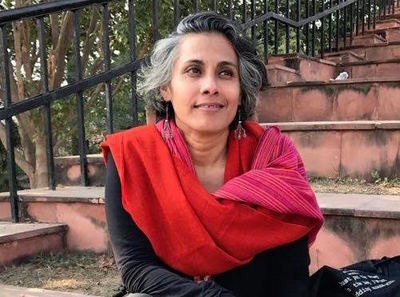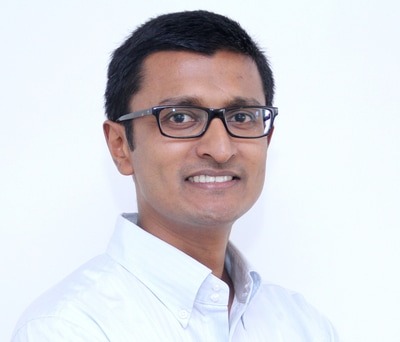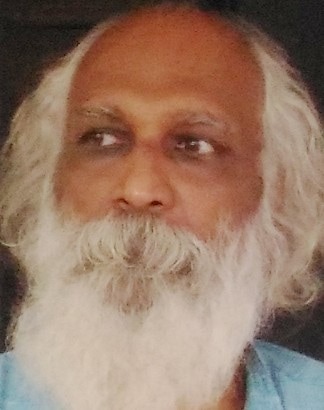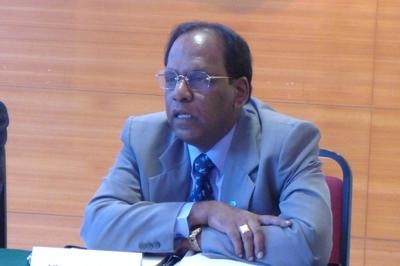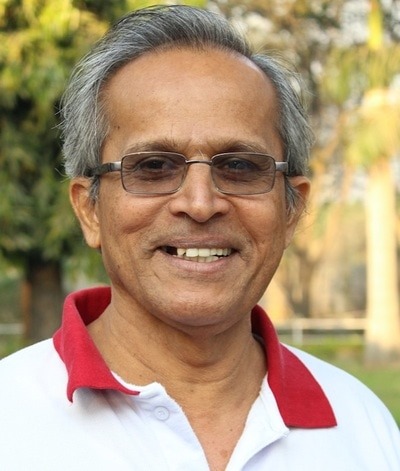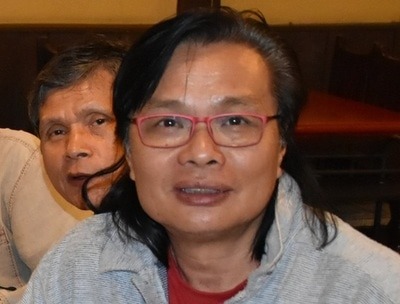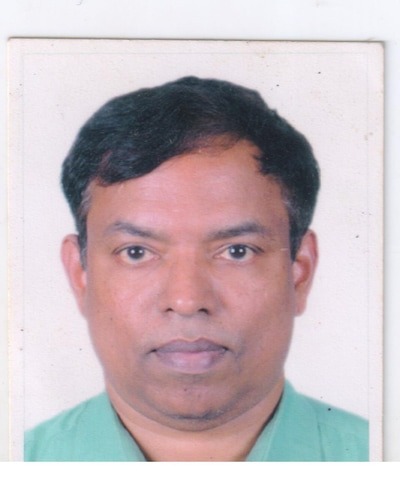
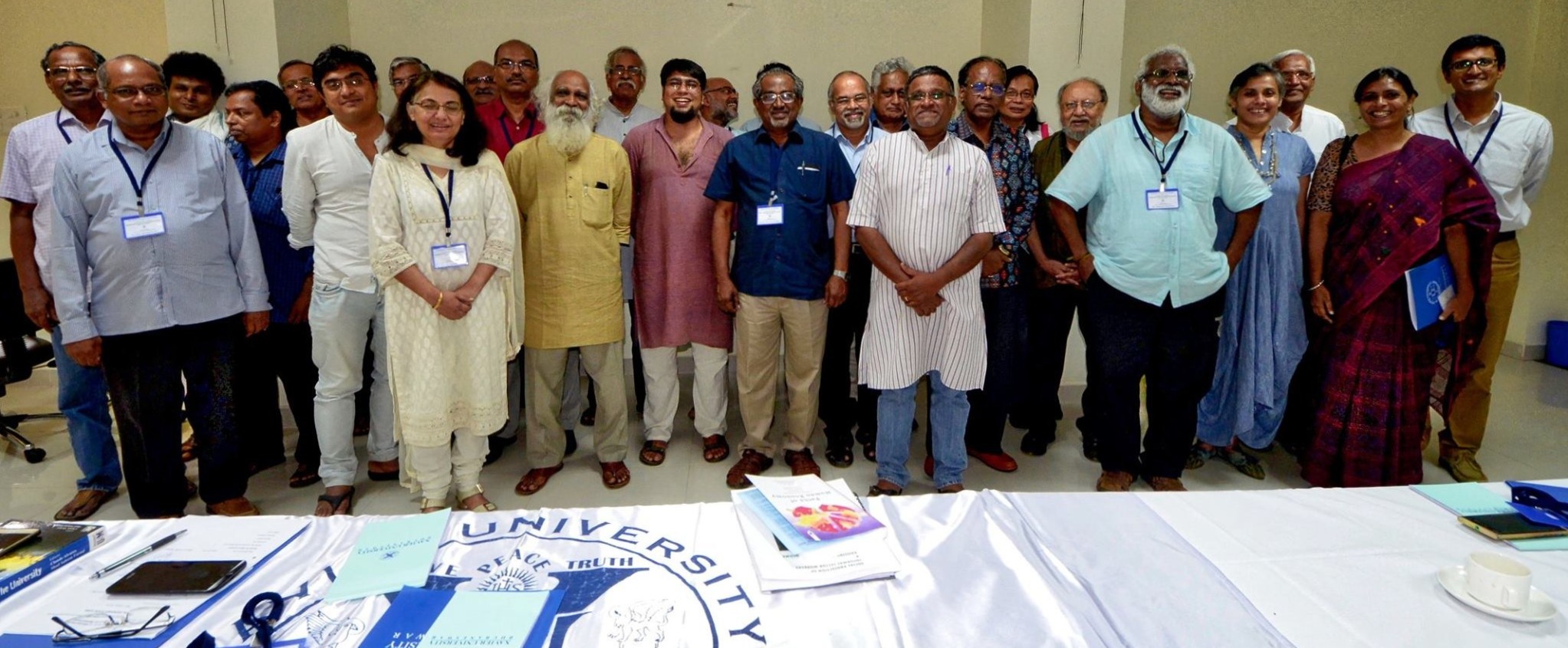
I called for a consultative meeting with the support of the then VC, Prof. Dr Paul Fernandez SJ, before the establishment of the pioneering Centre for New Humanities and Compassion Studies at Xavier University, Bhubaneswar (India), in 2018. The people you see below are those who kindly agreed to participate in the consultative meeting. We also gathered comments from a few who could not attend. See below.

Humanity is going through a challenging time socially, ecologically and spiritually. No doubt we have grown and advanced a great deal and have achieved much. But our growth (read economic growth) has become our problem. It challenges us, scattering the globe with sites of pain, empires of cruelty, exploitation, social and ecological disasters, and death. All these scar us deeply -- physically, socially and spiritually. Our individual and collective futures are critically at stake. And there is a battle within and for the human spirit.
Human society is now at a crossroads -- to continue doing what it has done from its comfort zone of material affluence, or to take a step back and innovatively advance the human agenda in a qualitatively different direction. A serious detour is necessary to address the growing reality of civilisational collapse. Do we celebrate our successes while ignoring the mess we have made in the biosphere we share with all sentient beings, or do we take stock of where we are heading and seek ways to resist, repair, regenerate, and heal the planet?
In this effort, the role of institutions of higher learning, such as Xavier University Bhubaneswar (XUB), is critical, for they offer a dynamic space to influence and shape the human spirit and to shape generations of young people and their futures. What role should institutions play in influencing young people? Should we plug in and play out the mainstream narratives of livelihoods (jobs and careers), achievements and careers that continue to pose challenges to the well-being of the planet, individuals, communities, societies and other beings? Should we continue to be part of the problem without being mindful of our role in the mess? Or should we daringly innovate and take to the uncharted? And be part of critical, self-conscious sustainable alternatives? Are we ready to ‘let go’ and move on in other critical directions? How do we address all these concerns and challenges in the educational space, where young people spend a lot of time seeking to meaningfully engage with the future?
XUB has taken the journey to be different in many ways. It has, for instance, started a School of Sustainability, offering students the “sustainability imagination”. It is engaging people from the creative arts to influence its students and teachers, offering them alternative visions of the possible – more humane, more inclusive, more diverse, more just, more ecological, and more sustainable. Now XUB is ready to take that giant leap in its efforts to reframe, in a small way, the human agenda by reimagining the humanities and social sciences.
The Leap: Centre for New Humanities and Compassion Studies
Humanities and Social Sciences are central to the structured and systematic understanding of human, societal and ecological realities, with intergenerational and inter-species implications. Today, we face increasing blind materialism, widespread alienation, and unsustainable orientations that lead us towards personal and planetary crises, necessitating a completely new approach to educating the younger generation.
We need to engage with new meanings, the recovery of new realities, reclaim what has been lost, new knowledge, embedded innovative public practice, and transformative pedagogy. We need a whole new way of presenting humanities and social sciences to the young that breaks old habits and routines of the mind. And, through this, contribute to the creation of a new generation of students, teachers, public intellectuals, and citizens who will seek to heal the planet, engage spirituality and grow sustainable futures for all. We need to reorient the art and science of the human spirit to the needs of today and tomorrow on a reimagined educational platform.
Comments include particularly from those who were unable to attend the consultative session. (Compiled by Dr Surajit.)
Father Paul in his contribution asks the round table participants to be answering a few important and critical questions so that the proposed XHS becomes truly an alternative but serious site of learning and pedagogical practice. His concerns (articulated as gateways) are mostly related to the type of research to be conducted, the kind of programmes that are to be put in place and the relevance that these would have for the students who would like to pursue their higher studies at XUB. He feels that the courses on offer would have to be holistic with a vision that reflects the deep religious (spiritual?) sentiments of healing – something that becomes an absolute must in these troubled times.
Ashish Kothari (was not present) is an Indian environmentalist working on development, environment interface, biodiversity policy, and alternatives. At present, he is the chairman Greenpeace India’s Board. Ashish feels that in this proposed re-imagination the School of Humanities and Social Sciences would have to offer courses that would not merely be inter-disciplinary (transdisciplinary?) as is now well-established but would have to be epistemologically diverse as well. In order to do so the subject disciplines would have to undergo a ‘de-colonisation’ of the mind. The de-colonisation would be based, Kothari feels, on the close ‘interrogation’ of rationality and modernity. This would not however be a blind acceptance of things that are “inequitous, exploitative, and unsustainable”. However, to do so one would require changing the manners of how one perceives problems, in other words, change the manner of cognition.
The above argument finds resonance in most of our co-participants and indicates as Manu Mathai says a re-hauling of school and college education. Mathai argues for an ‘ecology of knowledge’ creation that would be in keeping with C Wright Mills’ idea of a sociological imagination. This exercise requires a critical scholarship that would work for the creation of ‘critical being and thinking’ for all on a shared planet (public intellectual? organic Intellectual?). The moot question is – how does one create empathy through an appropriate pedagogy that would allow us to go beyond the constraining boundaries of European Enlightenment and to reclaim Indian traditions of knowledge and practice “accessed through the written word, but perhaps more importantly through oral histories in vernacular languages and lived experiences”.
K B Jinan echoes most of the concerns raised above when he argues that the focus should be on the process rather than the content only “which also means the environment or conditions for learning itself”. Jinan’s focus is not only on “higher education” but also on “lower education” and thus schools become vital and critical to the process of learning afresh. Schools are important “because once the root or foundation is destroyed (not) much can be done at the higher education level except some minor changes”. He proposes what he calls Design Education, a pedagogical practice that has found institutional acceptance in the NIDs of our country. Design education is practice based and instils a holistic overview of disciplines like art and culture, science and technology, humanities etc.
Jinan feels that “we are encountering is a deep cognitive crisis, a civilization crisis.... Addressing this requires a total shift in our beingness...It may take several centuries for the recovery. But baby steps are required...And like the baby tentative, open, humble, innocent and trusting.....”
Victor Karunan reflects and echoes much of what other co-participants and fellow travellers have said, namely, that we need to develop local knowledge and wisdom. The geography of India and Asia – Pacific is rich in this “and that not only provide (s) sound theoretical framework and approaches to society and social (peoples) development, but also has (provided) evidence of relevance, impact and social change. Karunan gestures towards the contribution that Bhutan’s idea of Gross National Happiness (GNH) can provide and argues for its serious incorporation into the body of humanities and the social sciences, given its increasing relevance to the troubled world that we inhabit.
Karunan argues for a critical re-look at the Sustainable Development Goals (SDG) that have been mooted worldwide in order to incorporate them into the teaching and curricula so that an exposure to such matters would enable students to be gainfully employed as well.
Much of the reflections find place in Sundar Sarukkai’s (was not present)message to the round table. Sundar Sarukkai is Professor in Philosophy, National Institute of Advanced Studies, Bangalore, India.
He feels that XUB’s XHS should not teach stale western intellectual thought to the students. He feels that it is “extremely important to have an egalitarian approach to teaching/learning/ knowing which will draw on both textual as well as non-textual traditions. And in the textual tradition, it is necessary that our students learn much more from Asian, Middle Eastern and African civilizations as they would from the west”. This idea of non-textual source for learning is especially important in a country like India where a major part of our knowledge heritage is lodged in oral traditions and transmitted through folk lore, folk songs, poetry recitals and story (re) telling. To come out of the given and well-trodden path its imperative says Sarukkai that we choose our pedagogical and epistemological path wisely. Not only should we address the mind but also the body.
Saamdu Chetri (was not present), the Executive Director, GNH Centre, Bhutan, proposes much like others a need to have a different education, a different orientation, and invokes the concept of Gurukul as a pedagogical strategy. He feels that there is an urgent requirement of an education that fosters collaborative approaches to life in the face of the intense individualism that the present polity has created.
Paul Shafer (was not present) of the World Culture Project, a well-wisher of our initiative from Canada, points us to the evidence that is overwhelming and convincing -- If we want to live a full and fulfilling cultural life, make the arts a fundamental part of it. He draws our attention to the creation of the Seoul 3 Agenda, which resulted from the Second World Conference on Arts Education convened by UNESCO in Korea in 2010: “The most important goals and strategies established for the Agenda were: ensure that arts education is accessible as a fundamental and sustainable component of a high quality renewal of education; apply arts education principles and practices to contribute to resolving the social and cultural challenges facing today’s world; support and enhance the role of arts education in the promotion of social responsibility, social cohesion, cultural diversity, and intercultural dialogue; and affirm arts education as the foundation for balanced creative, cognitive, emotional, aesthetic, and social development of children, youth, and life-long learning ….When the arts are seen from a holistic rather than partial perspective, there is little in the world that is not concerned with the arts in one form or another. This includes nature, the natural environment, other species, people, groups, institutions, communities, cities, countries, cultures, the past, the present, the future, and virtually everything else. This affirms that there is an enormous amount to be learned from the arts about life, living, reality, the human condition, and the world at each and every stage in life. This explains why Rollo May thought art and culture are “the fountainhead of human existence,” and why Jean Cocteau said “art is not a pastime, but a priesthood.”
Sohail Inayatullah (was not present)is someone who studies the future. He is visiting professor at the Graduate Institute of Futures Studies at Tamkang University in Taipei, Taiwan, adjunct professor at the University of the Sunshine Coast (USC), Australia and Chair on Future Studies at UNESCO (United Nations Educational, Scientific and Cultural Organisation). He shares with us the idea of the ideal future world, implying the need for a humanities and social sciences practice to address or nurture such a future : “(1) Global governance – I have little interest in nation states or national identity. That was useful for a few hundred years. It’s not useful anymore. The best Australians I meet are all global citizens. (2) Gender equity – You can’t have real economic development real innovation without females being included. (3) Post-meat society – I don’t mean to scare meat eaters. Right now the norm is meat. By 2050 the norm should be vegetarian, unless you need it for health reasons. (4) Renewable energy – Every home is an energy producer. It will be the end of oil as we know it. (5) Spiritual evolution – My vision for the future is a far more deeply spiritual culture. My goal is to see meditation and mindfulness used to go to a more spiritual experience. Most people live with scattered thoughts and scattered energies. (6) Neo-humanism – Right now, our lenses are ‘othering’. People who are gender different, culturally different, are less than us. We’re on a planet and you don’t see people as less or more. We’re all on the same journey and if you ask me, by 2050, that’s the world I want to work towards.”