Learningful Encounters
'Dark' Ecology
Deliberate refusal of comfortable, romanticised, or sentimental narratives about Nature. Most ecological movements are built on a fantasy: the idea of a pristine, pure, harmonious Nature that existed before humans arrived and that we must return to or protect. Dark Ecology dismantles this fantasy... There is no pure outside. There is no untouched Eden. We have always been entangled with the non-human world — in suffering, in decay, in ambiguity, in the "mesh" of interrelations that includes worms, bees, bacteria, stagnant pools, and megacorporations, all at once. (Check here on the eco-philosopher Timothy Morton...Many insightful understanding and concepts.)
Dangers of Monoculture Mind/Heart-Set
Destruction of diversity. In Nature. In Society. In Politics. "Just as a monoculture field eliminates thousands of plant species to grow one profitable crop, a monoculture of the mind eliminates centuries of indigenous, local, and ecological knowledge to install one 'universal' (but actually very parochial) Western scientific paradigm. This is not a metaphor — it is the same machinery operating on two terrains simultaneously. (Check Monocultures of the Mind by Vandana Shiva.)

Solastalgia ("Homesickness you feel when you are still at 'home'.")
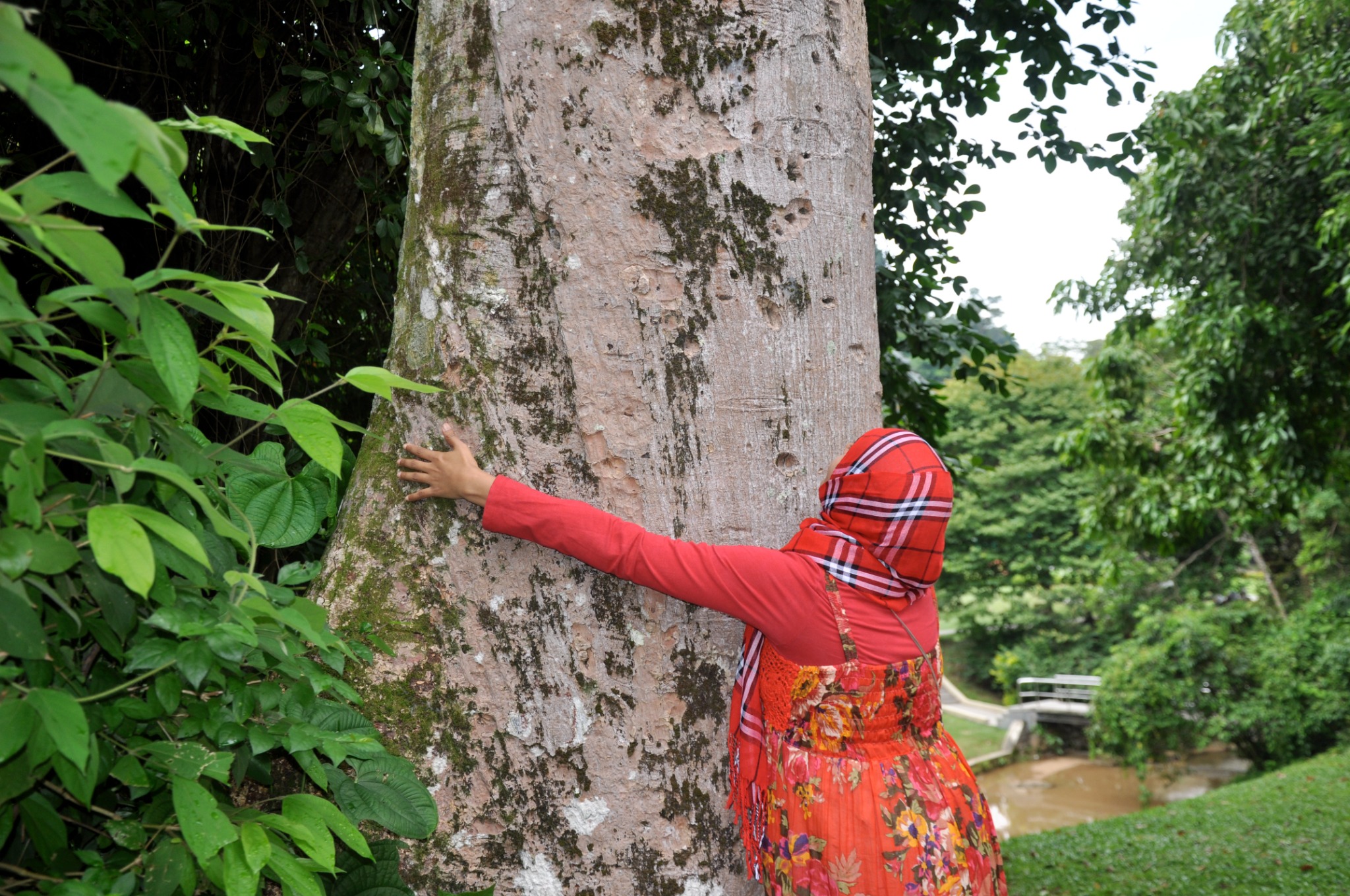
We all experience that gnawing or uncomfortable ache when you return to a childhood site and discover it has been transformed beyond recognition. The tree you climbed is no more. The stream you swam in is grey and polluted. Or the stars you counted are no longer visible by city lights. That emotion you have is not simply nostalgia because you never left. You are here. The land has been silently taken away, little by little, in the name of progress while you were growing up. Solastalgia is the name of that socio-ecological grief. It is a form of depression. It’s important to recognise this term because the world may convince you that violence or destruction in development is inevitable. (Check out a book entitled: Solastalgia: An Anthology of Emotion in a Disappearing World.)
Extinction of Experience
A recent study reveals a stark trend: our collective connection to nature has declined by more than 60% since 1800. Professor Richardson calls this ongoing decline an "extinction of experience", a process in which future generations lose awareness of nature because it is no longer part of their daily lives. Two primary factors drive this cultural and environmental shift. The first is urbanisation, as increasingly built-up neighbourhoods reduce opportunities for everyday engagement with nature. The second, and most crucial, is intergenerational loss, where parents no longer pass on an ‘orientation’ towards the natural world. Studies confirm that a parent's own connection to nature is the single strongest predictor of whether their child will develop that bond. This fading relationship is also reflected in our culture, as evidenced by the parallel decline of nature words such as river, moss, and blossom in books over the same period. (Check Here)
There is No Alternative (TINA) ?
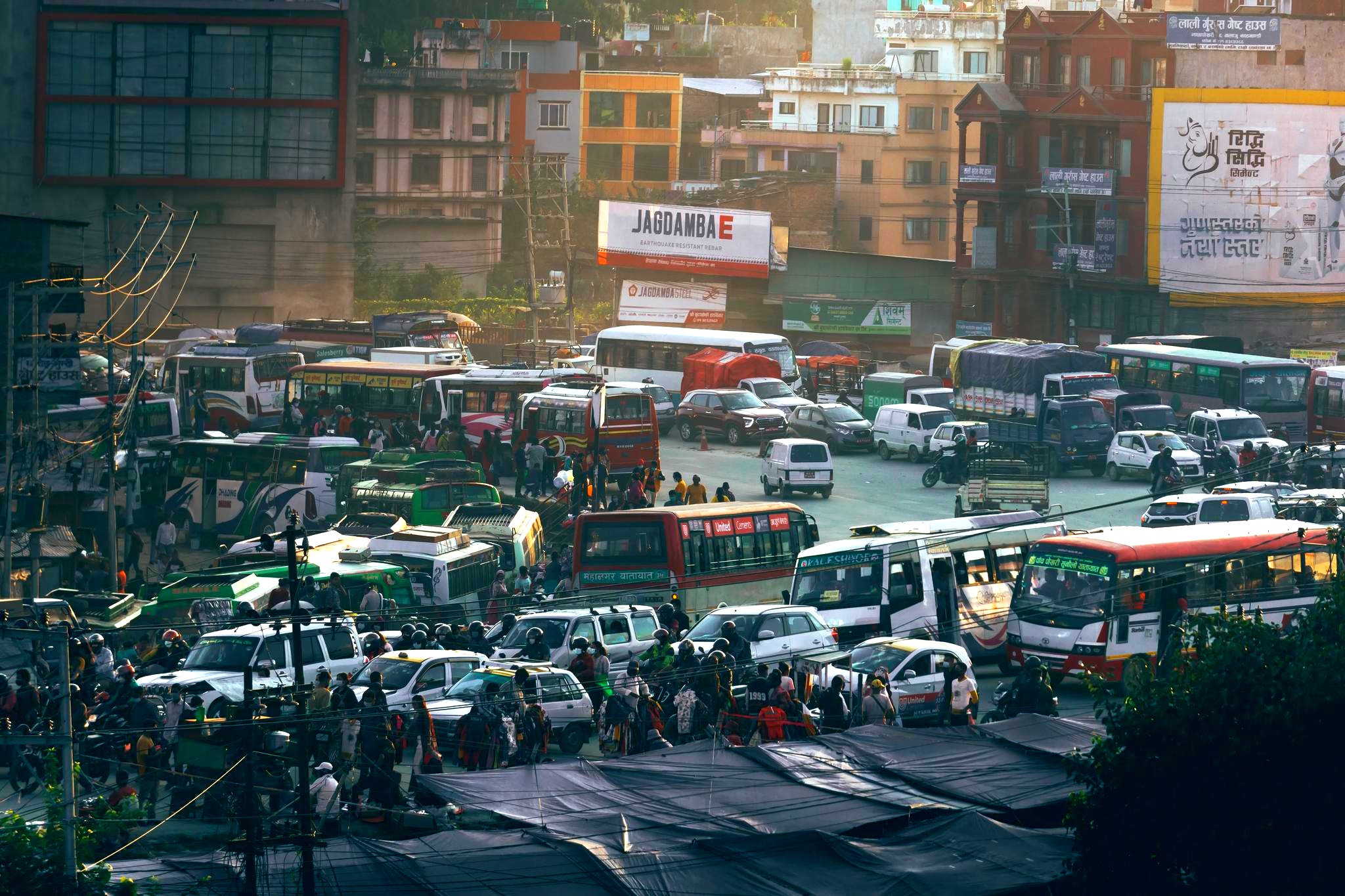
At its core, Capitalist Realism is "the widespread sense that capitalism is the only viable political and economic system and that it's now impossible to even imagine a coherent alternative to it." This is not an active, overt argument but a pervasive atmospheric pressure that quietly suffocates dissent and creativity. It is best encapsulated by the central slogan Fisher analysed: "It's easier to imagine the end of the world than the end of capitalism." This single sentence reveals the depth to which the ideology has colonised our collective consciousness. Scenarios of global apocalypse—climate catastrophe, pandemics, and nuclear war—are common cultural currency, while the idea of a world without wages and profit stalls the imagination. (See video here.)